
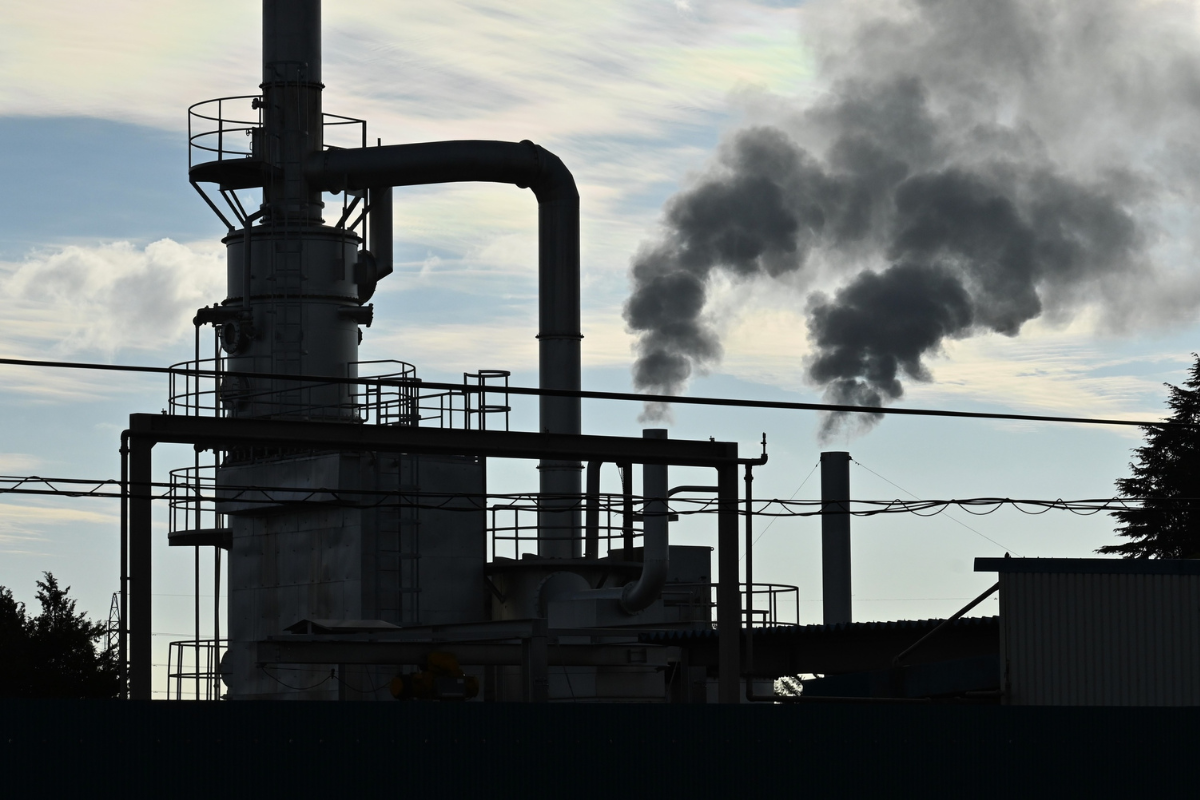
La industria del acero vivimos uno de los momentos más decisivos de las últimas décadas. La presión por reducir emisiones y avanzar hacia una economía más sostenible ya no es una opción para unas pocas organizaciones concienciadas con el medio ambiente, sino una exigencia global.
El acero, un material imprescindible en prácticamente todos los sectores productivos, se encuentra en el centro de este debate, especialmente en Europa, donde el compromiso con la descarbonización está marcando profundamente el rumbo del mercado.
En este contexto surge el Mecanismo de Ajuste en Frontera por Carbono (CBAM, por sus siglas en inglés), probablemente la regulación que más impacto tendrá en los próximos años en la industria metalúrgica europea. Y, como ocurre en todas las grandes transformaciones, las empresas tenemos que adaptarnos con rapidez, con criterio y con visión estratégica.
En Ferros Texar llevamos años acompañando a empresas de todos los tamaños en un mercado que nunca deja de cambiar. Por eso hoy os queremos explicar con claridad qué es el CBAM, cómo afectará al sector del metal en España y, sobre todo, cómo lo estamos gestionando para seguir ofreciendo seguridad, estabilidad y un servicio fiable a nuestros clientes.
La importancia del acero y el reto de la descarbonización
El acero es uno de los materiales más utilizados en el mundo: construcción, automoción, maquinaria, energía, infraestructuras, industria ligera etc. Podríamos decir que está presente en casi todo. Pero su proceso de producción es altamente intensivo en emisiones, especialmente cuando se basa en rutas tradicionales como el alto horno (BF-BOF).
Mientras la Unión Europea endurece sus políticas de reducción de CO₂, surge un problema que preocupa a gobiernos, fabricantes y distribuidores: la fuga de carbono (carbon leakage). ¿En qué consiste? Pues os lo explicamos de una forma muy clara:
- Las empresas europeas tienen que cumplir normativas ambientales estrictas y asumir costes elevados por emisiones.
- Las empresas fuera de la UE no siempre están sujetas a los mismos requisitos.
- Si importar acero de terceros países es más barato por razones ambientales, las empresas europeas pierden competitividad.
- Y, además, las emisiones globales no se reducen, solo cambian de lugar.
Para evitar este desequilibrio nace el CBAM, una herramienta que pretende igualar las condiciones entre productores europeos y extracomunitarios.
Qué es el CBAM y cómo funciona
El CBAM es un mecanismo desarrollado por la Unión Europea para equiparar el coste del carbono entre los productos fabricados dentro de la UE (donde las emisiones se pagan a través del Régimen de Comercio de Derechos de Emisión (EU ETS)) y los productos importados de países con normativas menos exigentes.
Su objetivo principal es garantizar que tanto el acero como otros materiales importados paguen un coste asociado a su huella de carbono, similar al que ya pagan los fabricantes europeos.
De esta forma, se pretende evitar que entren productos más baratos por razones puramente ambientales, se fomenta la producción descarbonizada en terceros países, y se protege la competitividad de la industria europea.
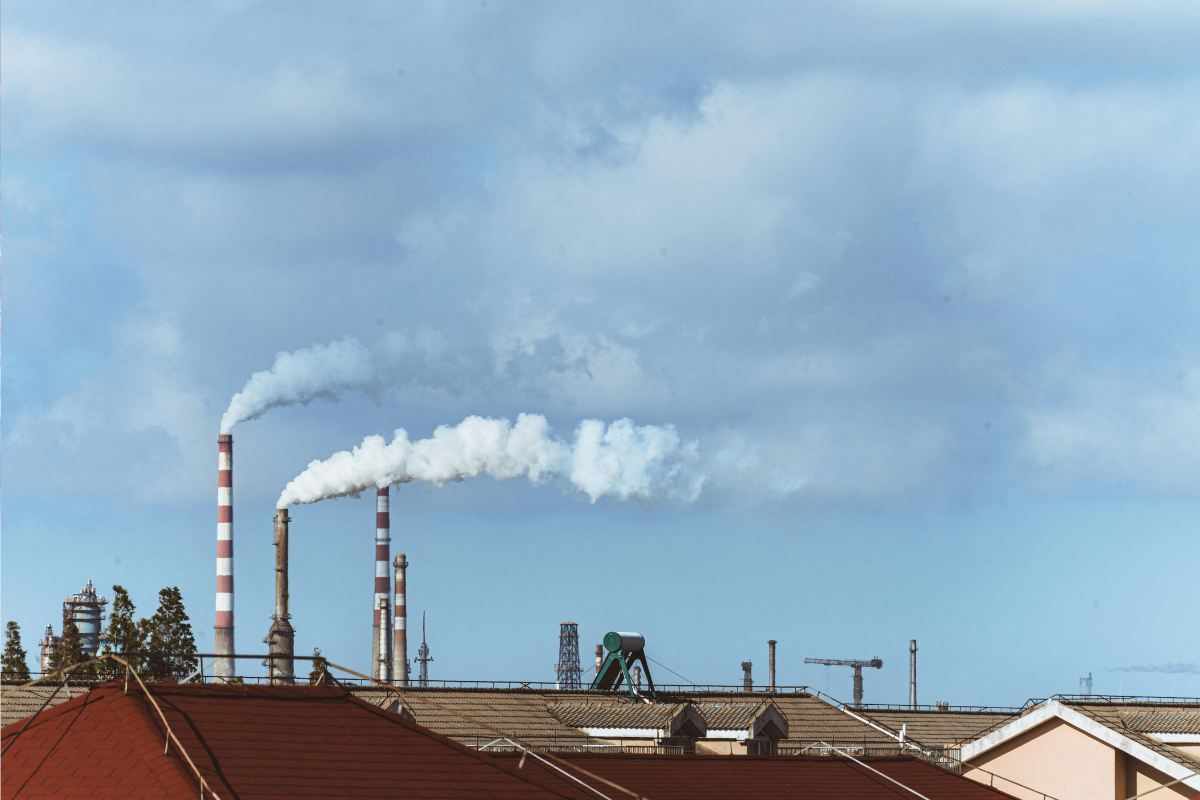
Cuáles son los sectores afectados por el CBAM
El CBAM se aplica a varios materiales intensivos en emisiones:
- hierro y acero
- aluminio
- cemento
- fertilizantes
- electricidad
- hidrógeno
Pero el sector más relevante para nosotros, y también el más afectado por volumen, es el del acero y sus derivados. Todo indica que el impacto será considerable, tanto para fabricantes como para distribuidores, ya que a partir de 2026 los importadores deberán pagar certificados según las emisiones reales o por defecto del producto adquirido.
Esto se traducirá en un encarecimiento notable del acero importado desde países como India, Turquía, China o países del Sudeste Asiático.
Fases de implementación del CBAM
Para facilitar la transición, la Unión Europea ha diseñado una hoja de ruta dividida en dos etapas claras.
1.- Fase transitoria: 1 de octubre de 2023 – 31 de diciembre de 2025
Durante este periodo:
- Los importadores deben presentar informes trimestrales con datos detallados de emisiones directas e indirectas.
- No existe todavía coste económico asociado, por tanto, no se pagan certificados.
- El objetivo es recopilar información, entrenar al sector y preparar a empresas y administraciones para el funcionamiento definitivo del sistema.
Es una especie de periodo de prácticas, pero de enorme importancia porque todo lo que se está midiendo ahora condicionará la fase final.
2.- Fase definitiva: a partir de enero de 2026
Sí, en nada, nos llega ya el verdadero cambio, porque, a partir de esa fecha:
- Los importadores tendrán que registrarse como declarantes autorizados.
- Presentarán una declaración anual con las emisiones de los productos que importen (la primera, el 31 de mayo de 2026).
- Será obligatorio comprar certificados CBAM, que equivaldrán a la cantidad de carbono emitido en la producción del acero importado.
- Se requerirá una verificación independiente de los datos de emisiones.
El resumen de todo esto es, principalmente, que importar acero con una huella de carbono alta será mucho más caro.
Impacto del CBAM en la industria siderúrgica y del metal en España
Aunque todavía estamos en fase transitoria, el efecto del CBAM ya se nota en el mercado español.
- Aumento de la incertidumbre y volatilidad de precios
Los clientes están adelantando compras, los distribuidores buscan asegurar suministro y los precios internacionales están viviendo una variabilidad muy pronunciada.
- Diferencias de coste entre productos europeos e importados
El acero producido en la UE, sujeto al EU ETS, ya incorpora costes de descarbonización, pero el importado pronto tendrá que asumirlos también. Eso reducirá la brecha de precios, pero a corto plazo está generando movimientos estratégicos en las compras.
- Mayor presión sobre la trazabilidad y la transparencia
Las empresas que importan están obligadas a recopilar datos muy detallados sobre emisiones. Esto implica nuevas estructuras, procesos, auditorías y costes administrativos.
- Cambios en los patrones de compra
Uno de los efectos más visibles, y que estamos observando directamente en Ferros Texar, es que muchos clientes están adelantando pedidos para evitar el impacto económico del CBAM. Prefieren asegurar material antes de que entren en vigor los costes que elevarán el precio del acero importado.
Esto ha aumentado la demanda sobre los distribuidores con stock disponible, especialmente aquellos que podemos entregar rápido.
Cómo lo afrontamos en Ferros Texar: la importancia del stock
En Ferros Texar llevamos años preparándonos para momentos como este. Si algo hemos aprendido en casi dos décadas acompañando a talleres, fábricas, empresas de corte, construcción e industria es que la estabilidad es un valor fundamental cuando todo alrededor parece moverse.
Y eso hoy significa una cosa: stock, stock, stock
Ferros Texar, un stock amplio, estable y disponible
La volatilidad del precio del acero y la nueva incertidumbre que genera el CBAM han provocado un incremento de clientes que desean asegurar material antes de que aumente el coste.
Gracias a nuestro stock permanente de chapas podemos:
- ofrecer precios más estables,
- evitar fluctuaciones bruscas,
- asegurar plazos de entrega rápidos,
- y dar seguridad en un momento especialmente sensible para el sector.
Ferros Texar, stock comprado antes de subidas
Al tener material adquirido antes de que el mercado descontara el impacto del CBAM, hoy podemos mantener precios competitivos y una disponibilidad inmediata que está beneficiando directamente a nuestros clientes.
Ferros Texar, siempre agilidad y confianza
Frente a los cambios regulatorios, las pequeñas y medianas empresas tenemos algo muy valioso: agilidad. En Ferros Texar adaptamos operaciones, logística y procesos con rapidez, sin perder calidad ni capacidad de respuesta.
En momentos de transformación estructural como el actual, contar con un proveedor flexible, cercano y fiable marca la diferencia.
Mirando al futuro: los grandes cambios del sector del metal
El CBAM no es una medida temporal. Forma parte de una estrategia europea a largo plazo para transformar la industria hacia modelos más sostenibles. Esto implica que los próximos años seguirán marcados por cambios regulatorios, ajustes de precios y nuevos requisitos ambientales.
En Ferros Texar creemos que la mejor forma de afrontar estos cambios es con información clara, transparencia y acompañamiento constante a nuestros clientes.
Mientras el mercado evoluciona, nuestra prioridad sigue siendo la misma:
ofrecer productos de calidad, entregas fiables y un servicio cercano que facilite la vida de quienes confían en nosotros.
Sabemos que este nuevo escenario genera dudas. Y precisamente por eso queremos estar más cerca que nunca de nuestros clientes.
Consulta nuestro stock permanente de chapas de acero y asegúrate de disponer del material que necesitas, en plazo y con total seguridad.
Nuestro equipo está a tu disposición para resolver cualquier duda, ayudarte a planificar tus compras y acompañarte en este nuevo contexto regulatorio.
